
A First Journey is Always a Momentous Event
Every first journey in life is a momentous occasion that can seem stressful. This principle applies not only to humans but equally to the youngest horses. Transporting a foal represents one of the most demanding logistical challenges in the breeding world—an experience that can shape its future attitude toward travel, trailers, and trust in humans.
Unlike mature, experienced horses, foals are extremely delicate, completely dependent on their mothers, and have entirely different physiological needs. Therefore, their first transport requires not only specialised equipment but, above all, extensive knowledge, empathy, and patience.
In this article, we’ll guide you step by step through the key stages of preparation and actual transport. We’ll explain what deserves special attention to ensure maximum peace and safety for both the foal and its mother while avoiding unnecessary stress.
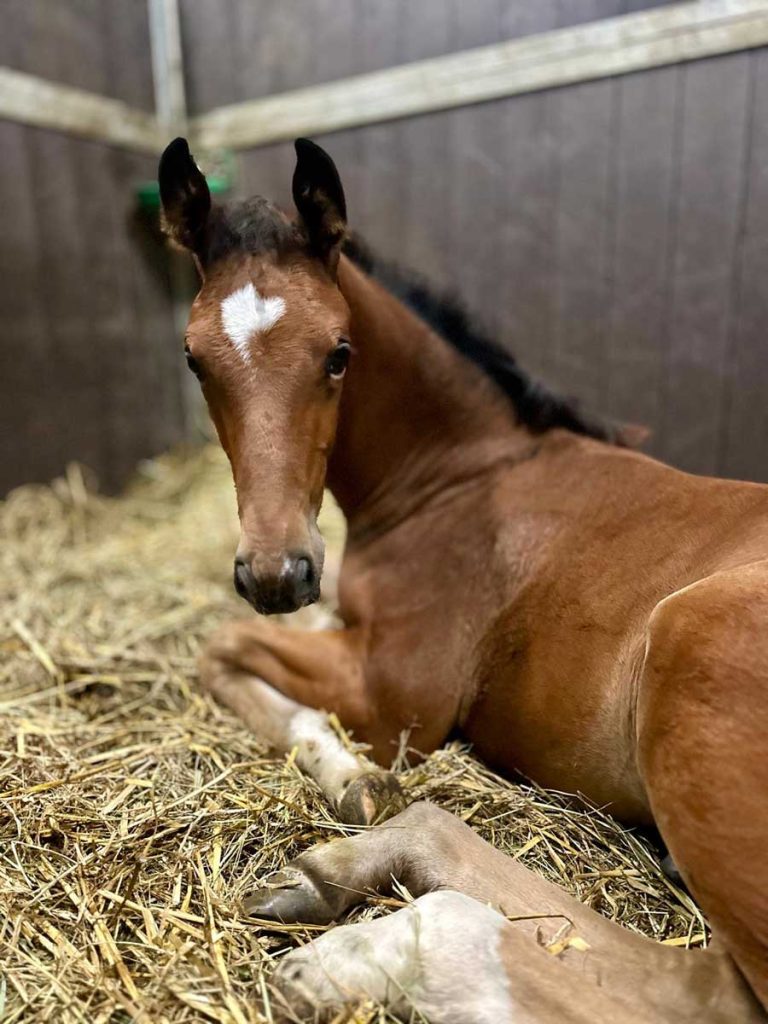
When Is a Foal Ready to Travel? Determining the Right Moment
The decision about a foal’s first transport carries the same responsibility as the decision to breed a mare. A journey undertaken too early or without proper preparation can lead to negative health and behavioural consequences. Before you begin planning logistics, ensure the young horse is ready for the challenge.
Essential Documentation
Long journeys require careful planning, and formalities are part of that process. Ensure the foal already has an issued passport—the basic identification document required for every horse during any transport.
Age and Physical Condition
While there’s no single, rigid age limit, it’s generally accepted that a foal should be at least 3-4 weeks old for its body to be sufficiently strong. However, individual condition assessment is crucial. The foal must be able to stand confidently on its legs for extended periods and maintain balance during gentle vehicle manoeuvres. It must be healthy, vital, and able to follow its mother without difficulty.
Veterinary Consultation
This is an absolute foundation. Before making your final decision, ask a veterinarian to assess both the foal’s and mare’s health status. Just as a professional driver and vehicle must be comprehensively prepared for the route, the mother-foal duo must receive the “green light” from a specialist. The veterinarian will evaluate overall condition, development, and rule out any contraindications to travel.
Preparing the Duo: Mare and Foal—Foundation of a Peaceful Journey
Transporting a foal is actually transporting a pair. The mare’s calm and preparation are equally important—perhaps even more important—than working with the foal itself. She serves as the foal’s sanctuary and safety barometer. If the mother remains calm and relaxed, the foal will feel more confident. Therefore, breeders should ensure preparations encompass both mother and foal, emphasizing their unbreakable bond.
The Role of a Calm Mother—Key to Success
Foals mirror their mothers’ emotions. Every tension, fear, or uncertainty from the mare will be immediately detected by her offspring. Your task as owner is to ensure her maximum comfort and minimize stress on transport day.
Trust the Professionals: Experienced transporters know how to handle mares so loading proceeds smoothly and without nerves. Let them work—their calm and methodical approach is the best thing you can provide for your duo.
Maintain Routine: As much as possible, don’t change anything in the mare’s daily schedule. Feeding times, turnout—let everything proceed as usual.
Your Calm Matters: Horses excellently sense human emotions. Stay composed and confident. Your nervous behavior can transfer to the mare.
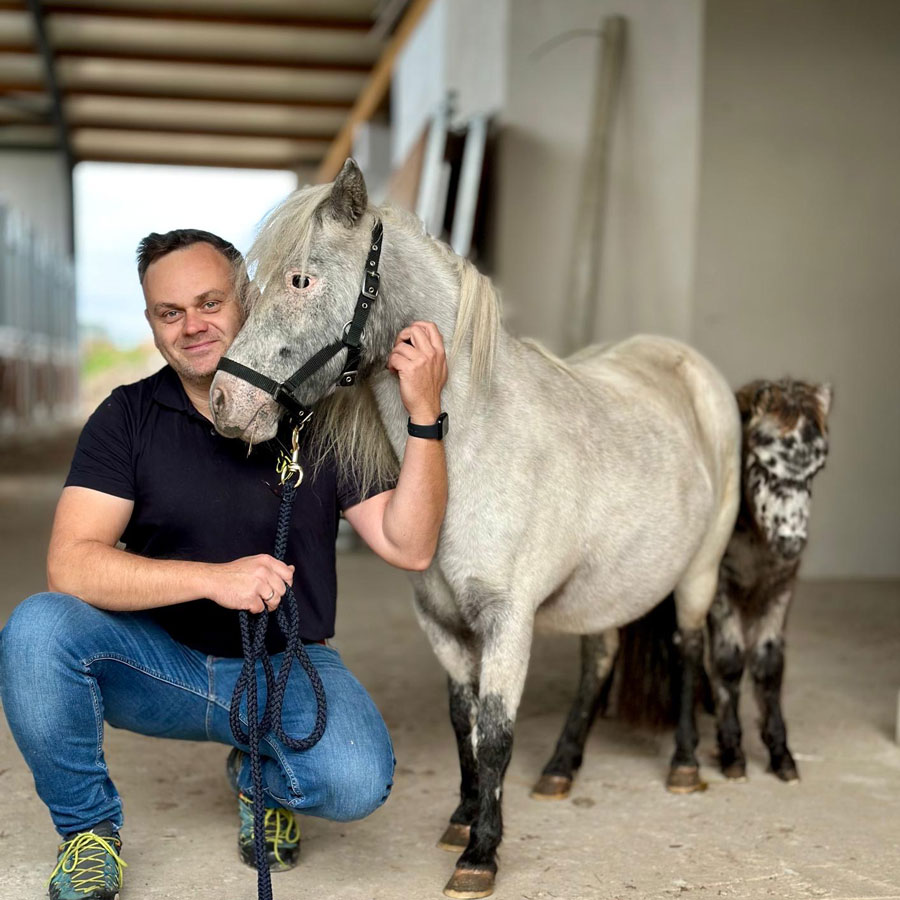
First Lessons for the Foal—Gently Building Trust
Preparing a foal doesn’t involve training it to enter a trailer. It’s about building foundations that will help professionals safely introduce it to the transport vehicle.
Halter—Your First “Conversation” with the Foal: The youngster should be accustomed to wearing a properly fitted halter. This is an absolute basic that allows minimal control and ensures safety during loading. Put it on for short periods, associating this moment with something pleasant, like scratching or the mother’s presence.
Touch and Leading—Cooperation Fundamentals: The foal should accept touch across its entire body. Gently teaching it to walk behind its mother on a lead (without pulling or jerking) is a valuable skill that will pay dividends in the future.
What to Avoid: Never use force. The first transport experience will remain in the horse’s memory for the rest of its life. Any attempt to forcefully push a foal into a trailer, drag it, or apply pressure will result not only in stress but can build lasting trauma and fear of transport. This is a job for an experienced team that knows how to use the natural instinct of following the mother, making loading just another calm step behind the mare for the foal.
Feeding and Hydration Before the Journey
A stable digestive system means less stress on the organism.
Mare’s Diet: Most importantly, ensure the mare has constant access to high-quality hay. On transport day, avoid giving large amounts of concentrate feed immediately before loading to minimise the risk of colic. The mare must be well-hydrated.
Foal’s Needs: The most important “meal” for a foal is its mother’s milk. Therefore, it’s crucial that the mare remains calm and hydrated. During travel, regular stops should be provided where the foal can safely nurse. Professional transporters always include this aspect in their journey plan.
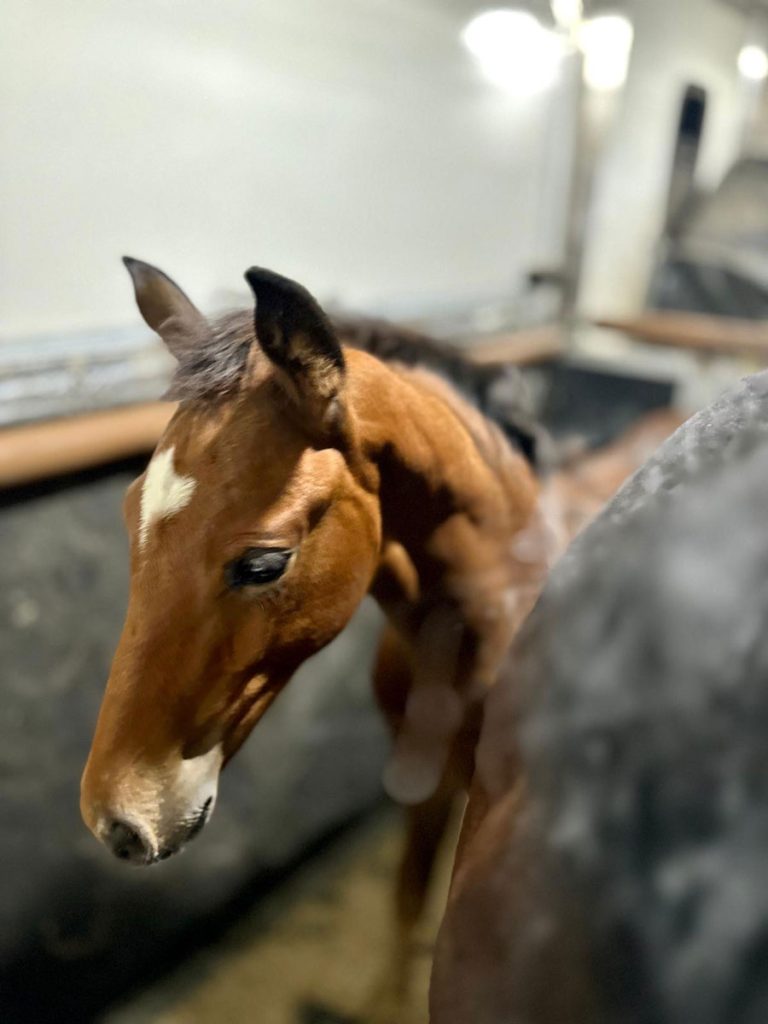
Special Conditions in the Transport Vehicle—Safe Space for the Youngster
A regular trailer or standard stall in a horse van isn’t enough to provide a foal with true safety. The environment where it takes its first journey must be carefully arranged and adapted to its unique needs. This is where professional equipment and transporter experience play crucial roles.
Monitoring—The Watchful Eye
Constant, discreet observation of the transport vehicle’s interior is the foundation of a peaceful journey. A camera system in the horse van allows caregivers to continuously monitor the mare’s and foal’s behavior without stopping the vehicle and unnecessarily startling the animals. This enables immediate response to any concerning signals.
Space Configuration—Together Means Safer
The best and safest solution is transporting the mare with foal “loose” in a specially prepared, enlarged stall. This configuration allows the foal to move freely around its mother, maintain natural positioning, and—most importantly—have constant access to milk. It eliminates the risk of getting tangled in ties or injuries caused by partitions, ensuring the youngster feels secure through uninterrupted contact with its mother.
Bedding and Flooring—Cushioning and Stability
Foals, especially during longer journeys, often lie down. Therefore, the flooring must be safe. A thick (minimum 15-20 cm), abundant layer of high-quality straw or wood shavings on a non-slip mat is absolutely necessary. This provides not only cushioning during travel but also stability when the youngster tries to maintain balance, while ensuring hygiene and warmth.
Ventilation and Temperature—Protecting a Sensitive Organism
Young horses are significantly more sensitive to overheating and cooling than adult animals. A professional horse van must guarantee a stable microclimate. Efficient yet gentle ventilation is crucial, providing constant fresh air circulation without creating harmful drafts. Modern systems maintain optimal temperature regardless of external conditions.
During Transport—Calm, Regular Stops, and Care
Even the best-prepared horse van won’t pass the test without an experienced driver and a well-planned journey. What happens on the road directly impacts the well-being of the young passenger.
Driving Style: Smoothness is Priority
The driver transporting a foal must master smooth driving. Anticipating road situations, gentle cornering, avoiding sudden braking and acceleration—all this minimizes the effort the youngster must exert to maintain balance, thereby reducing its fatigue and stress.
Planned Stops: Time for Recovery and Feeding
Regular stops are built into every professional foal transport service schedule. They’re planned approximately every 2-3 hours, depending on journey length. Their purpose isn’t only to check the animals’ condition, but primarily to allow the foal to nurse peacefully. It’s also a moment to water the mare, which is crucial for maintaining lactation.
Access to Hay and Water
A nursing mare must have constant access to good-quality hay, preferably served in a safe small-mesh net. This provides occupation, reduces stress, and supports proper digestive system function.
After Arrival—Key to Successful Acclimatisation
Transport doesn’t end when the engine shuts off. Safe unloading and ensuring appropriate conditions at the new location are the final, extremely important stage that crowns the entire operation.
Calm Unloading
Haste is the worst advisor here. Give the horses a moment to familiarize themselves with their new environment. Unloading should proceed as calmly as loading—the mare exits first, and the foal naturally follows.
First Moments in the New Home
Before the foal meets the rest of the herd, it needs time to acclimatize in a safe environment. The best solution is a previously prepared, clean, and safe stall or small, fenced paddock where the duo can rest peacefully together.
Observation
For the first 24 hours after transport, carefully observe the foal. Note whether it nurses eagerly, behaves normally, and shows no signs of dehydration, lethargy, or excessive stress.
What Documents Are Required for Foal Transport?
Animal transport requires proper documentation, and foal procedures can be even more complicated. The basic document is the horse passport, which should be issued for the foal within 6 months of birth.
According to the Animal Protection Act, livestock transport requires appropriate permits. Horse breeding operations must be registered, and transporters must hold animal transport licenses. All documents should be verified by a veterinarian before beginning the journey.
For international transport, additional documents are required, including health certificates issued by veterinary doctors. Veterinary inspection may be conducted at borders, so all paperwork must be in order.
Summary: Investment in Your Horse’s Future
As is evident, a foal’s first journey is a complex process where every detail matters. It’s significantly more than simply moving a horse from point A to point B. It’s an operation requiring specialised knowledge, appropriate equipment, and above all, empathy and understanding for the needs of the most delicate animals.
Properly conducted transport forms the foundation of a horse’s future trust in humans and travel. It’s an investment that pays dividends throughout its entire life.
Your foal deserves the best start. Trust the experience and specialised approach of professional transporters. Contact specialists to plan a safe and comfortable journey for your most precious breeding treasure. Animal transport is their speciality!