
Introduction
Animal transport is an activity subject to detailed legal regulations both in Poland and throughout the European Union. These regulations aim to ensure appropriate conditions and the welfare of animals during transport. Council Regulation (EC) No 1/2005 on the protection of animals during transport and related operations regulates matters related to the transport of horses.
Possessing an animal transport licence is not only a legal requirement but also opens doors to the profession of animal transporter, which is in demand in the European job market. In the transport of live animals, proper training of drivers and meeting requirements for vehicles, loading, and unloading are crucial.
What is an animal transport licence?
An animal transport licence is an official document required for the road transport of all species of live animals. It complies with Council Regulation (EU) No 1/2005, which regulates the protection of animals during transport and related operations.
Importantly, this licence is recognised both in Poland and in all European Union countries, enabling the free practice of the animal transporter profession throughout the Community.
The animal transport licence forms the basis for legal animal transport and is required by veterinary services and the Road Transport Inspectorate during inspections. Possession of a licence confirms that the transporter has appropriate knowledge and qualifications for the proper transport of animals with respect for their needs and welfare.
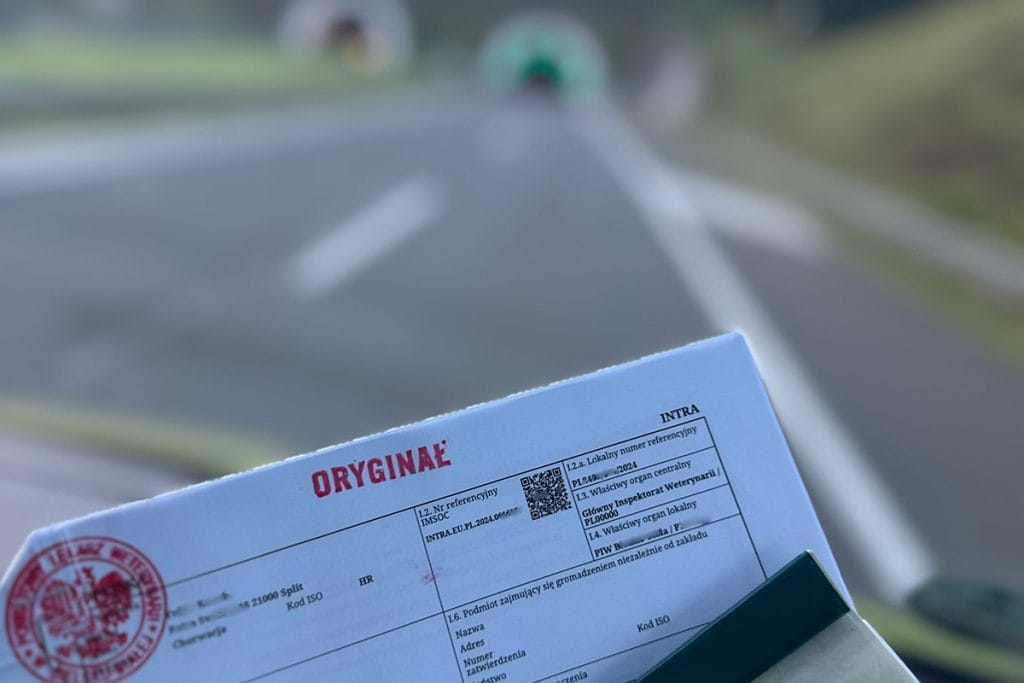
Legal regulations governing animal transport
Detailed regulations concerning the commercial transport of animals are contained in Council Regulation (EC) No 1/2005 of 22 December 2004. It is worth noting that commercial transport is not limited exclusively to the direct exchange of money, goods, or services. It also includes transport, which directly or indirectly aims to achieve financial benefits.
To standardise the procedures of regional units, the Chief Veterinary Officer has issued instructions regarding the approval of transporters and road transport means used for animal transport, under commercial transport regulations. These regulations specify the administrative procedures for obtaining the necessary permits.
Who needs an animal transport licence?
According to Article 87 of the relevant regulations, transporters of kept ungulates who transport animals between Member States or between a Member State and a third country must register with the district veterinary officer before commencing operations.
This requirement applies to all persons and entities intending to transport animals (both for commercial and non-commercial purposes) from Poland to other countries.
Commercial transport of animals within the European Union may only be carried out by transporters holding appropriate permission. The licence for drivers and persons handling animal transport authorises the performance of all activities related to animal transport.
The animal transport licence enables drivers to conduct transport both domestically and throughout European Union countries.

Animal transport conditions
To ensure animal welfare during transport, several principles must be observed:
- Transported animals must be approved for transport by a veterinarian.
- It is necessary to separate animals that could lead to conflict.
- Animals should be provided with appropriate breaks during travel, particularly during long-distance transport, which requires meeting specific welfare standards and possessing the necessary permits.
- Animal transport may be conducted with breaks necessary to provide animals with rest, food, and water.
Compliance with these conditions is crucial not only for the health and welfare of transported animals but also constitutes a legal requirement, non-compliance with which may result in serious legal and financial consequences.
Animal protection during transport
Protection of animals during transport is one of the most important aspects of animal transport. Council Regulation (EC) No 1/2005 of 22 December 2004 sets out detailed provisions concerning the protection of animals during transport. Licensed transporters must ensure appropriate animal transport conditions to avoid harm to their health and welfare.
During animal transport, transporters must ensure that animals have adequate space, ventilation and access to water and food. It is also essential that the vehicle intended to transport animals is properly adapted to their needs, including the installation of appropriate safety measures and systems for monitoring the conditions inside the car.
Adherence to these principles is crucial for ensuring that animal transport is conducted in a humane manner and in compliance with animal protection regulations.
How to obtain an animal transport licence? Step by step
Step 1: Enrolling in a course
The first step towards obtaining a licence is to enrol in a specialised course. The application form is usually available on the training organiser’s website. It is worth submitting your application in advance, especially since many companies offer promotional prices for those who register at least one week prior to the selected training date. These courses often also cover issues regarding animal protection, which is crucial for ensuring compliance with animal transport regulations.
Step 2: Participating in the course
The animal transport course covers a range of topics, including:
- Current state of legal regulations concerning animal transport in Poland and the EU
- How to plan a route considering animal welfare
- Required documentation during transport
- Animal protection principles during transport
- Practical aspects of transporting various animal species
During the training, both national regulations and those applicable in European Union Member States are discussed. The course prepares for work in the live animal transport industry, providing comprehensive knowledge necessary for the proper performance of this profession.
What is covered in the animal transport course?
The animal transport course covers the following topics:
- National regulations and those applicable in European Union Member States
- Route planning methods
- Required documentation during transport
- Vehicle use
- Loading, arrangement, and unloading of animals
- Stops – animal care
- Behavioural patterns of animals
- Standards and methods of loading
- Stress in animals
- Sick animals – procedures
- Transport of animals in containers
- Animal transport – weather conditions
During the course, participants acquire the theoretical knowledge and practical skills necessary for transporting animals correctly and safely. The training also includes discussions of the latest legal regulations and guidelines regarding animal transport, allowing for full preparation for the profession of animal transporter.
How long does the animal convoy licence course last in 2025?
The Animal Convoy Licence course lasts 6 hours and is available online or in person. After completing the course, you will receive a licence that is recognised in Poland and all European Union countries.
The training is intensive and focuses on the most important aspects of animal transport, allowing for the quick acquisition of necessary qualifications. Thanks to the possibility of participating in the online course, you can obtain a licence without having to leave home, which is convenient and saves time. After completing the course and passing the exam, the licence will be sent to you electronically and by priority mail.
Step 3: Passing the examination
After completing the course, there is an examination verifying the acquired knowledge in the field of live animal transport. This examination verifies whether the candidate possesses the necessary qualifications for animal transport per applicable regulations.
Step 4: Registration with the district veterinary officer
After successfully passing the examination, the future transporter must register with the district veterinary officer if planning to transport live animals. This is a formal requirement that must be met before commencing activities related to animal transport.
Step 5: Receiving the licence
After meeting all formal and administrative requirements, the transporter receives a licence for live animal transport. Licences and training certificates are usually sent electronically and by priority mail.
Cost of obtaining a licence
In 2025, the cost of the animal transport licence course is 649 PLN gross per person. However, if you register for training at least one week before the selected date, many companies offer a promotional price for driver/animal convoy courses. The course price includes:
- Participation in training
- Examination
- Stamp duty
Summary
The animal transport licence is a fundamental document required by veterinary services and the Road Transport Inspectorate. It authorises the performance of activities related to animal transport and is recognised throughout the European Union.
Animal transport is a responsible task that requires not only formal qualifications but also knowledge and sensitivity to the needs of the animals being transported. Appropriate training and licensing of transporters is crucial for ensuring animal welfare during transport, which is a priority for veterinary services throughout the European Union.