
Introduction
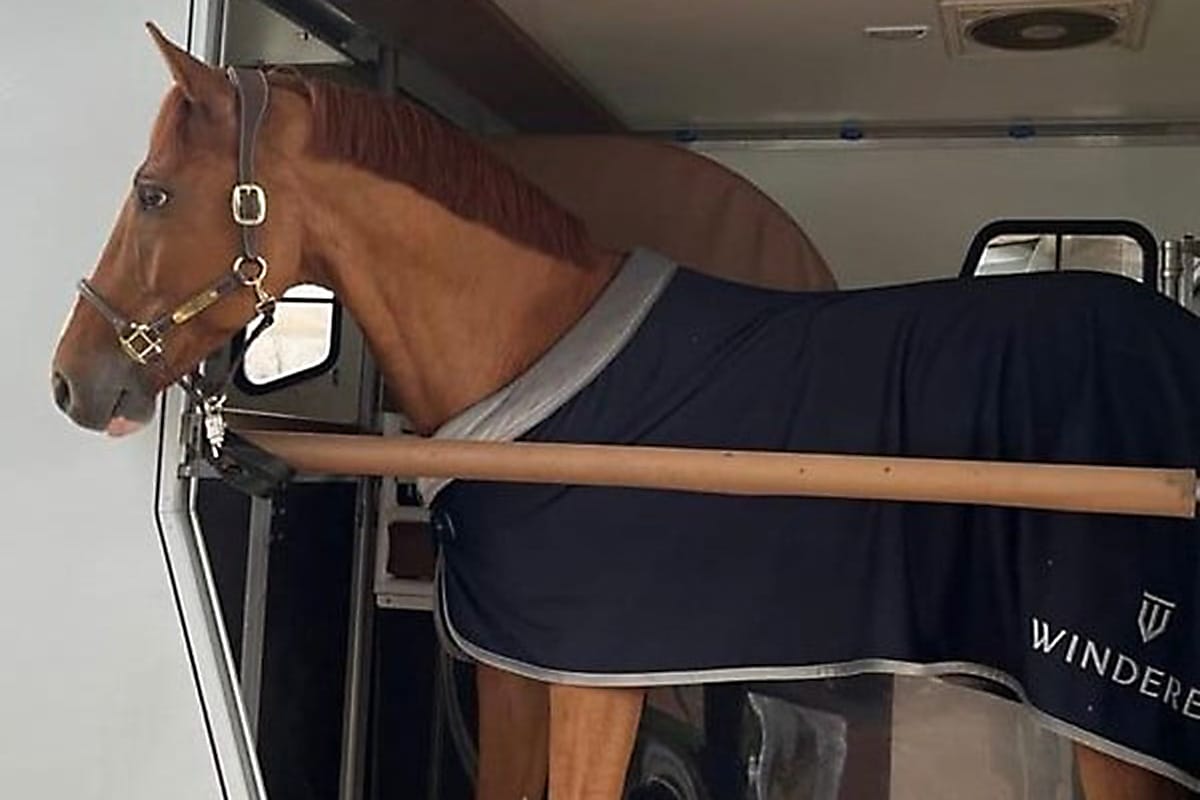
Transporting a horse involves much more than simply moving the animal from point A to point B. It requires careful planning and preparation, which is crucial for the animal’s safety and welfare. Transport always involves stress for animals, so it is important to prepare appropriately for the journey and select a suitable means of transport.
Improperly conducted transport can lead to serious health consequences, physical injuries, and even long-lasting traumatic experiences for the horse. Proper care must be provided for the animals, including the provision of water by the carrier and the necessity of taking breaks during transport.
The risks associated with improper transport include direct physical threats such as injuries or dehydration, as well as psychological problems that may affect the horse’s future behaviour during transport. Therefore, it is essential to approach this process with due care and attention.
Preparing the Horse Before Transport
Health Examination and Health Certificate
An important element in organising horse transport is a thorough examination of the horse’s health to ensure the animal is fully prepared for the journey. The examination should include an assessment of the horse’s physical condition, checking its temperature, pulse, and general well-being, and ruling out any potential infections or injuries that could affect its safety during transport.
The veterinarian is key in assessing the horse’s health before transport. Particular attention should be paid to:
- Condition of the respiratory and circulatory systems
- Body temperature check
- Assessment of hydration levels
- Condition of hooves and limbs
Veterinary Consultation
A visit to the vet before transport should include a thorough health examination of the animal, an assessment of its general condition, and verification that the animal has all required vaccinations. The veterinarian should also issue appropriate documents, such as the horse passport (animal passport) or health certificate, if needed:
- Comprehensive clinical examination
- Vaccination updates
- Issuance of necessary health documents
- Recommendations regarding possible sedation for very stressed horses
Only a veterinarian may administer sedatives to horses! You should provide your vet with information about planned transport in advance.
Familiarisation with the Horsebox or Trailer
Pre-transport horse training should be conducted systematically to minimise stress and ensure the animal’s safety. It should include gradually familiarising the horse with the trailer or other means of transport, teaching it to enter and exit the vehicle, and getting it accustomed to the noise and movement that may occur during transport.
Regular exercises and a patient approach will help physically and mentally prepare the horse for the journey. It is important for the horse to gradually become accustomed to the means of transport, which will ensure its comfort and safety during the trip:
- Gradual familiarisation of the horse with the trailer
- Practising entering and exiting
- Getting accustomed to being in a closed trailer
- Rewarding calm behaviour
Familiarising the horse with means of transport is also very important. In situations where the horse falls ill and needs to be urgently transported to a clinic, there is no time to train the horse to enter—every minute counts.
Equipment Needed During Transport
Choosing the Means of Horse Transport
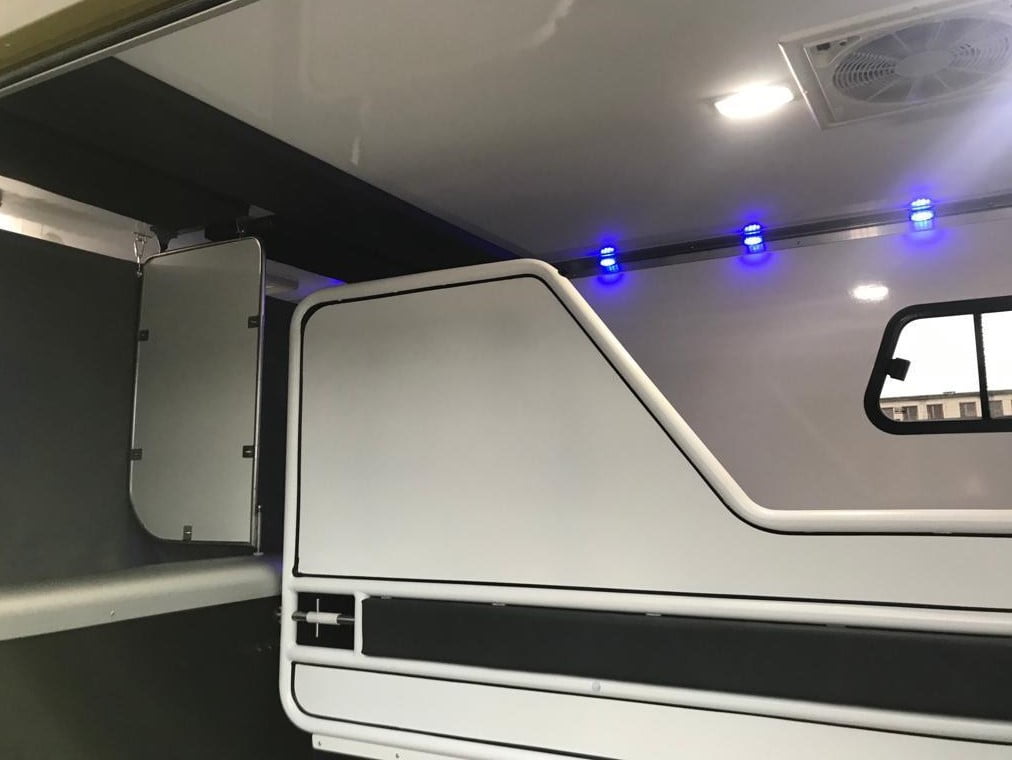
Proper selection of a trailer or vehicle for horse transport is a fundamental element of safe horse transport. A properly chosen vehicle will not only provide comfort to the animal but also facilitate the transport process itself and increase the safety of both the horse and the people transporting it.
Factors such as the size of the horse, the length of planned routes, and the frequency of transport should guide one’s choice of means of transport.
- Two-horse trailers (greater stability while driving)
- Single-horse trailers (easier manoeuvring)
- Trailers with diagonal or straight partitions
- Horseboxes (for professional transport)
- Semi-trailers are designed for the long-term transport of more animals (usually in companies). Used in combination with a tractor unit.
Using a trailer or a horsebox also depends on the number of animals transported.
Protective Equipment
Properly securing the horse during transport requires specialised protective equipment that minimises the risk of injuries and ensures comfort during the journey.
Each piece of equipment should be adapted to the individual needs of the horse and the conditions in which the transport will take place. Particular attention should be paid to the quality and technical condition of the equipment used:
- Transport leg protectors for the horse
- Tail guard
- Reinforced transport halter
- Transport rug (depending on the weather)
Before planned transport, the horse should be accustomed to new protectors, e.g., by leading it by hand in protectors or by lunging.
Emergency Equipment
Safety during transport requires preparation for unforeseen situations. A complete first aid kit and necessary documents can prove crucial in an emergency. Rescue equipment should be easily accessible and regularly checked for completeness and expiry dates:
- Basic dressing materials
- Disinfectants
- Elastic bandages
- Veterinarian’s phone number
- Horse’s documents
Safe Loading and Unloading
Loading Techniques
Proper horse loading onto the trailer is a key moment in the entire transport process, requiring special attention and appropriate preparation. Calm, methodical action, and adherence to established procedures significantly increase the safety of both the horse and the people participating in the loading.
The right technique can significantly reduce the level of stress in the animal:
- Checking the stability of the ramp and its inclination
- Calm leading of the horse by an experienced person
- Avoiding sudden movements and haste
- Securing the horse in the trailer according to the manufacturer’s instructions
Horses are very emotional animals and extremely quickly sense the negative emotions of the people who are loading them (fear, hesitation in action, pondering). If there are any concerns about entering the horsebox or trailer with the horse, do not hesitate to ask an experienced carrier for help.
Stress Minimisation
Stress during loading can significantly affect the course of the entire transport. Appropriate preparation of the surroundings and a calm and methodical approach to the loading process are key to minimising tension in the horse.
It is worth ensuring optimal conditions that will help the animal remain calm:
- Choose a quiet place for loading
- Provide adequate lighting
- Avoid haste and a nervous atmosphere
- Consider the presence of a quiet companion horse
If successive attempts to place the horse in the means of transport fail, it is worth considering calling a veterinarian who will administer sedatives in an appropriate dose. Thanks to this, the animal will not lose the ability to maintain balance during the journey, but will allow itself to be handled without a struggle.
Note! Only a veterinarian may administer sedatives to the horse. You should provide your vet with information about the planned transport in advance.
Safe Unloading
Unloading the horse requires an equally careful and thoughtful approach as its loading. It is important to ensure the animal’s calmness and safety during horse unloading, avoiding haste that could cause stress or unnecessary injuries.
It is also crucial to properly position the ramp and have patience so that the horse feels confident throughout the process:
- Choose a safe, level place for unloading
- Make sure the ramp is stable and not slippery
- Check the surroundings for potential hazards
- Prepare a place to which you will lead the horse
Route Planning and Breaks
Journey Optimisation
Effective route planning is one of the foundations of successful horse transport. This requires considering not only logistical aspects but primarily the needs of the transported animal. Proper planning of stops, selecting an appropriate route, and considering potential hazards allows for minimising risk and increasing transport comfort:
- Journey length and necessary breaks
- Alternative routes in case of traffic jams
- Locations of suitable stopping places for horses
- Weather forecasts for the entire route
Additionally, transport time should not exceed 24 hours, which is significant for the safety and welfare of animals during the journey.
Organisation of Stops
Proper planning and conducting stops during horse transport is crucial for its welfare. Regular breaks allow for rest, hydration, and checking the animal’s health. Proper organisation of stops requires considering the needs of the horse and weather conditions:
- Provide the horse with water and hay
- Check the physical condition of the animal
- Allow for muscle relaxation
- Ventilate the trailer
During the Journey
Monitoring the Horse’s Condition
Constant observation of the horse’s behaviour and condition during transport is essential to ensure its safety and comfort. Regular checks allow for quick detection of potential problems and an appropriate response. Particular attention should be paid to signs of stress or discomfort:
- Observe the horse’s behaviour through cameras or inspection windows
- Listen for disturbing sounds
- Control the temperature in the trailer
- Adjust driving speed to conditions
Ventilation and Comfort
Ensuring appropriate conditions during transport is crucial for the health and well-being of the horse.
Proper ventilation and temperature control in the trailer allow for maintaining an optimal environment, minimising the risk of thermal stress and respiratory problems:
- Maintain proper ventilation
- Monitor temperature
- Avoid draughts
- Provide access to hay
Upon Arrival
Assessment of the Horse’s Condition
A thorough assessment of the horse’s condition after transport is key to ensuring its safety and welfare. It allows for quick detection of any health problems related to the journey and taking appropriate actions. Particular attention should be paid to signs of fatigue or stress:
- Thoroughly examine the horse
- Measure temperature
- Check hydration status
- Assess appetite and behaviour
Acclimatisation
Acclimatising the horse in a new place is as important as the transport itself. It requires patience and careful observation of the animal’s behaviour. A calm and methodical approach to this stage will allow the horse to adapt to the new environment gradually:
- Calm removal from the trailer
- Preparation of a comfortable stall
- Access to fresh water and feed
- Opportunity for rest and recovery
Summary
Key Tips
Effective and safe horse transport requires careful preparation and adherence to basic rules. Awareness of the most important aspects and appropriate planning allows for minimising risk and ensuring comfort for the animal:
- Thorough preparation and planning
- Systematic preparatory training
- Provision of appropriate equipment
- Calmness and patience throughout the entire process
Most Common Mistakes
Knowledge of typical mistakes made during horse transport allows for their effective avoidance. Awareness of potential hazards and solid preparation are key to the animal’s safety:
- Avoiding haste and improvisation
- Disregarding signs of stress in the horse
- Neglecting regular stops
- Transporting a sick or weakened horse
- Being guided solely by the price of transport
Safe horse transport requires a responsible approach and good preparation. By following the above tips, one can significantly increase the safety and comfort of the animal during the journey while minimising the risk of undesirable situations.